


Get An Oil Change
Your Nearest Store:
7980 S Broadway
Littleton, CO
303.515.7308
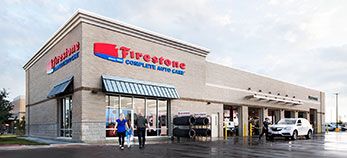
Most stores are open nights and weekends

| Day(s) | Hours |
|---|---|
| MON-SAT: | 7:00am-6:00pm |
| SUN: | 9:00am-5:00pm |
Schedule Service
Your Nearest Store:
7980 S Broadway
Littleton, CO
303.515.7308
Most stores are open nights and weekends
| Day(s) | Hours |
|---|---|
| MON-SAT: | 7:00am-6:00pm |
| SUN: | 9:00am-5:00pm |
Search For Batteries
All fields are required
Alignment Service
All fields are required
Winter Tires



Benefits of Winter Tires
Winter tires are engineered for maximum grip and traction in snowy and icy conditions. If you’re thinking about making the switch from all-season tires, or it’s time to replace an older set, there are a few features to look for in your next set of winter tires.
Winter Headquarters Limited Time Offers
Winter weather can be unpredictable— Start Winter with Confidence. Visit your local Firestone Complete Auto Care to ensure your tires and essential systems are ready for the season. Schedule your Winter check today and drive with peace of mind.
Offers Carousel
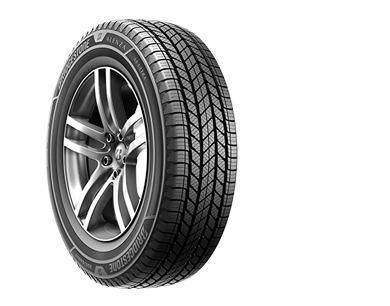


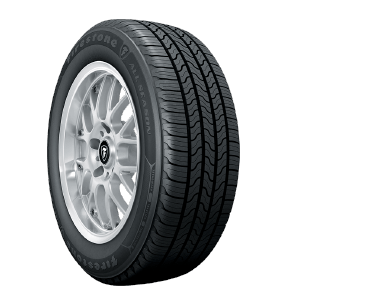
Stay Safe on the Road with Winter Tires
Winter tires, also known as snow tires, are essential for drivers who live in areas with unpredictable weather conditions in the long winter months. Understanding how winter tires are designed to perform on snowy roads is the first step to feeling confident behind the wheel.
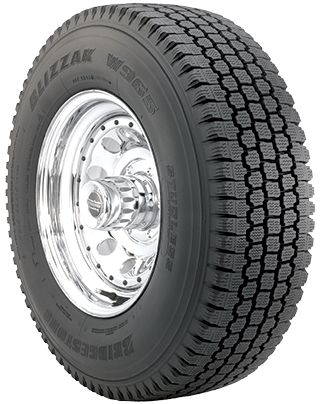
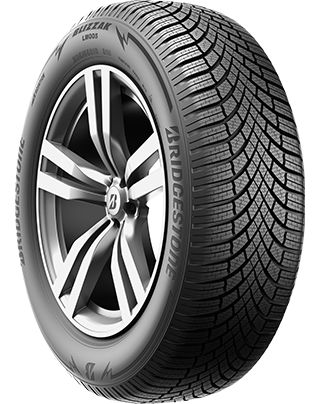
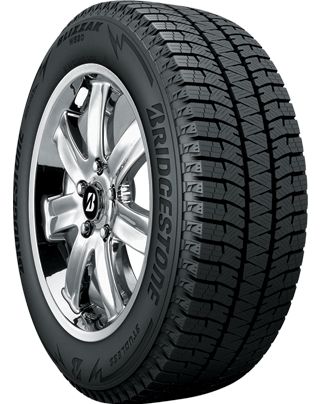
BRIDGESTONE BLIZZAK TIRES
These Blizzak winter snow tires are made to stand up to all winter weather conditions, with enhanced grip, flex, and bite. Enjoy confident driving no matter the forecast.
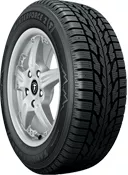
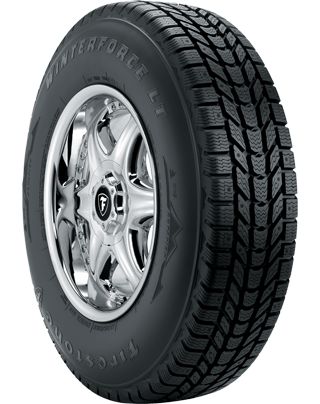
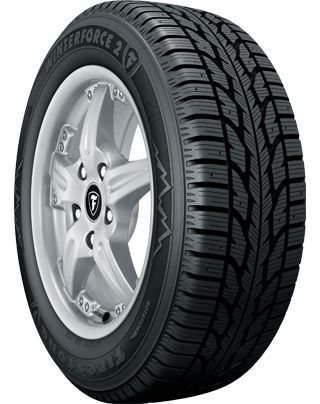
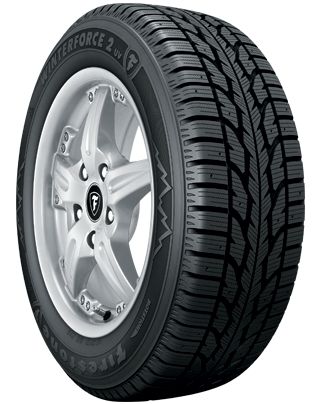
FIRESTONE WINTERFORCE TIRES
Winterforce tires offer solid traction in winter conditions with reliable braking on snow and slush, along with a comfortable ride for driver and passengers.
Learn More About Winter Tires
Winter weather can be unpredictable—but winter tires are engineered to handle anything from heavy snowfall to black ice. Available in a range of sizes for all types of vehicles, winter tires (AKA snow tires) can provide peace of mind if you live in an area with extreme weather and cold temperatures. Winter tires come with a tread design that easily digs into snow and grips ice, making them perfect for slippery winter driving conditions.

WINTER IS COMING
EVERYTHING YOU NEED TO KNOW ABOUT WINTER TIRES
If you drive regularly in snow, ice, or freezing temperatures, winter tires are worth considering. They're built with a cold-weather rubber compound and tread design that helps grip the road better than all-season tires once temperatures drop.
All-season tires are designed to perform reasonably well in a variety of conditions year-round. Winter tires are purpose-built for cold weather, using specialized rubber and deeper, more aggressive tread to bite into snow and ice. If you see regular winter weather, winter tires generally outperform all-seasons in the cold.
While there is not a specific temperature, a good guideline is once snow starts to fall or temps get below freezing. Once temperatures consistently drop enough for snow, all-season tire rubber can start to stiffen, while winter tire compounds tend to stay flexible for better traction.
If you live somewhere with real winter weather that includes regular snow, ice, or sustained freezing temps, many drivers find winter tires are worth the investment for the added confidence and control they provide. If your winters are mild, a quality all-season or all-weather tire may be enough.
AWD helps distribute power to all four wheels, which can help with acceleration, but it doesn't impact braking or cornering grip as much. Winter tires can improve traction in those situations regardless of your drivetrain.
It's not recommended. Installing winter tires on all four wheels helps keep traction and handling balanced. Mixing tire types front-to-back can make your vehicle behave unpredictably in a slide or sudden stop.
Yes, winter tires are designed to improve grip on icy and snowy roads, but no tire makes ice risk-free. Slow down, increase following distance, and avoid abrupt steering or braking in icy conditions.
Many winter tires last several seasons with proper care, but how long they last depends on mileage, storage, and road conditions. Have them inspected each season to check tread depth and overall condition.
Once the threat of regular snow or cold temperatures has passed, it's a good time to switch back to all-season tires. Running winter tires in warm weather can cause them to wear faster.
Pricing varies by tire size, brand, and vehicle type. Utilize our Tire Decision Guide for a quote and expert recommendation based on your vehicle and driving needs.
Possibly — it depends on road conditions and local or state requirements during severe winter weather. Usually having tires marked with the 3-Peak Mountain Snowflake (3PMSF) symbol negates the need for chains. Be sure to check posted signage, your state's regulations, and your vehicle's owner's manual.
Check tread depth, look for deep cracks or uneven wear, and confirm your tire pressure is at the level listed on your vehicle's door-jamb sticker. One of our expert technicians at your local store can also perform a full winter readiness check.